Cotton production surged
U.S. production rose from roughly 3,000 bales in 1790 to roughly 4 million in 1860. Faster processing made short-staple cotton more profitable and encouraged the spread of plantations.
A World’s Fair of American Innovation
A hand-cranked machine sped up cotton processing, fed a growing textile industry, and helped expand slavery across the American South.
Enter the exhibition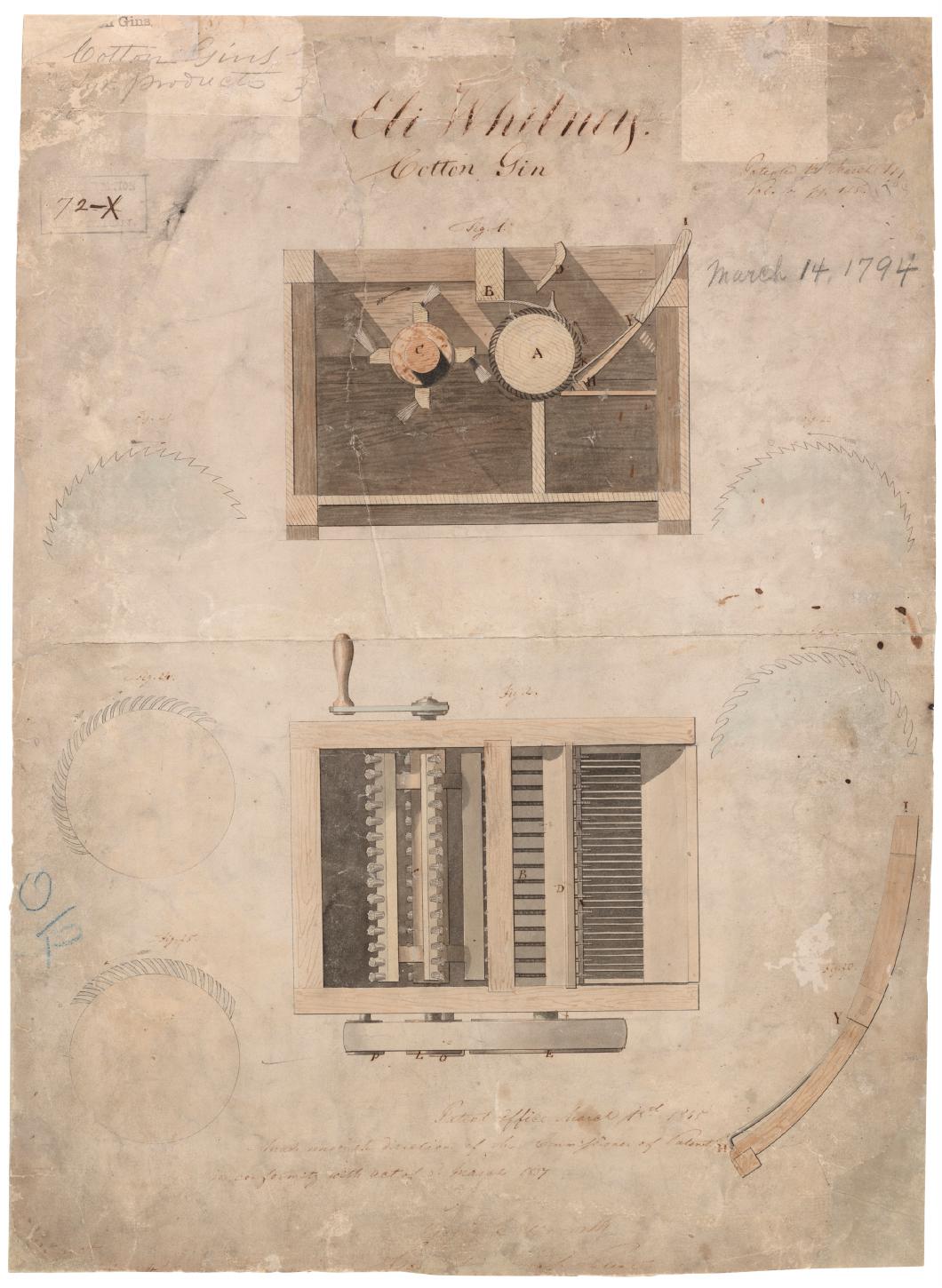
01 / The inventor
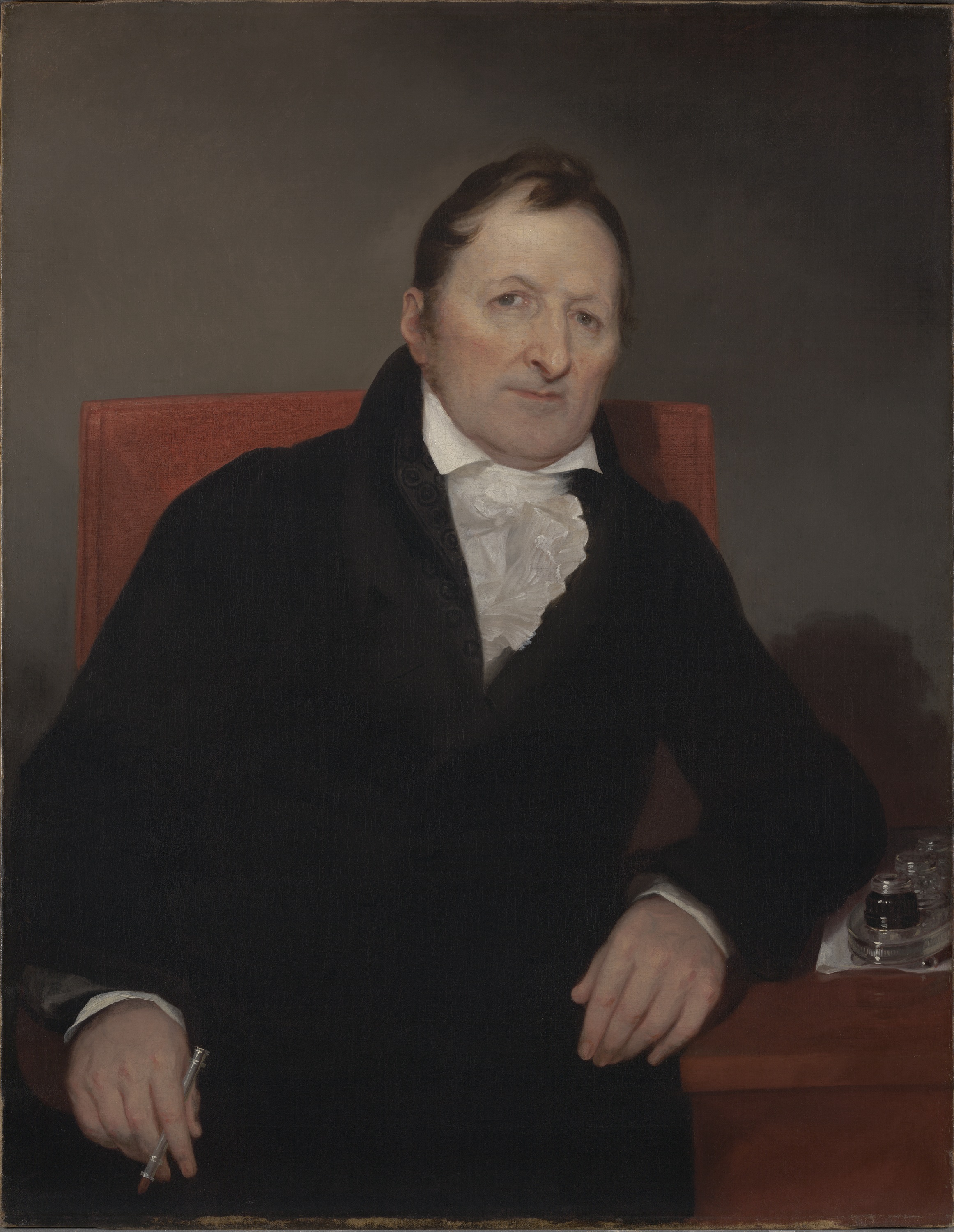
Eli Whitney grew up in Westborough, Massachusetts, and showed an early interest in mechanics. After graduating from Yale College, he traveled south.
While staying at Catherine Greene’s plantation in Georgia, Whitney learned how difficult it was to remove seeds from short-staple cotton. In 1793, he developed a machine to speed up the work. He received his patent on March 14, 1794.

02 / The problem
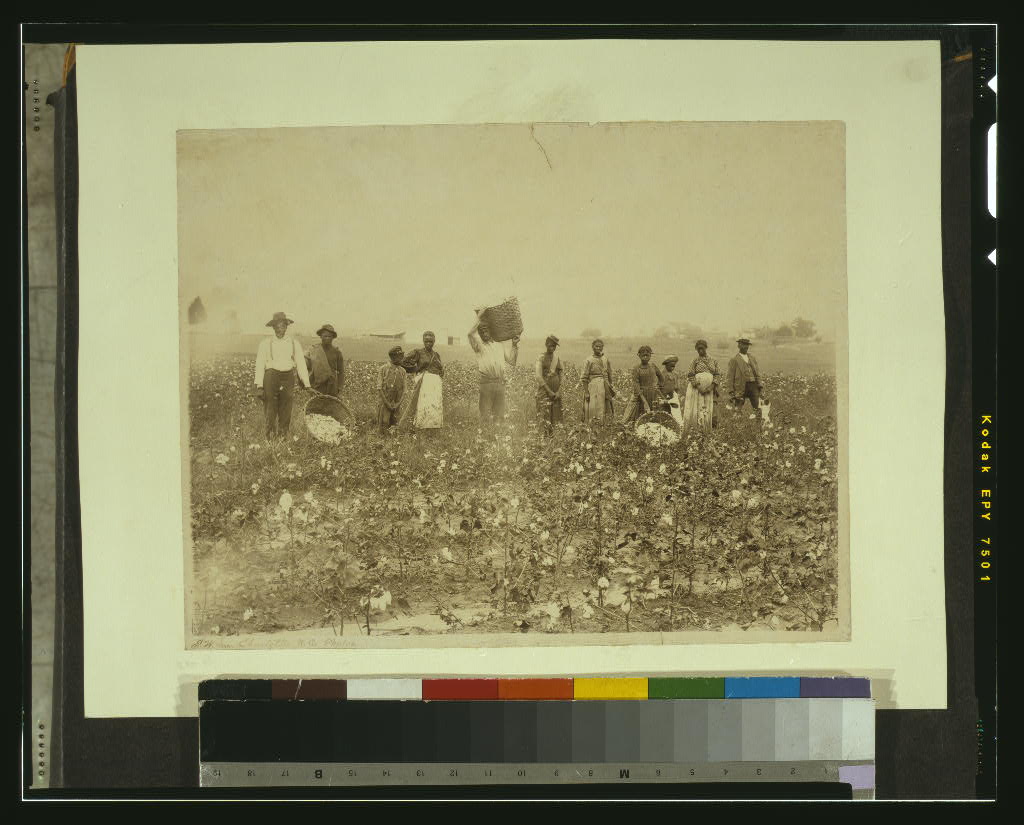
In the late 1700s, textile manufacturers needed raw cotton. The seeds of short-staple cotton clung tightly to its fibers, making hand cleaning slow and repetitive. Enslaved African Americans performed much of this work in the South.
How could a machine pull the fibers free while leaving the seeds behind?
03 / The invention
A crank turned a cylinder whose teeth caught the cotton fibers. The machine used the difference in size between the fibers and seeds to separate them.
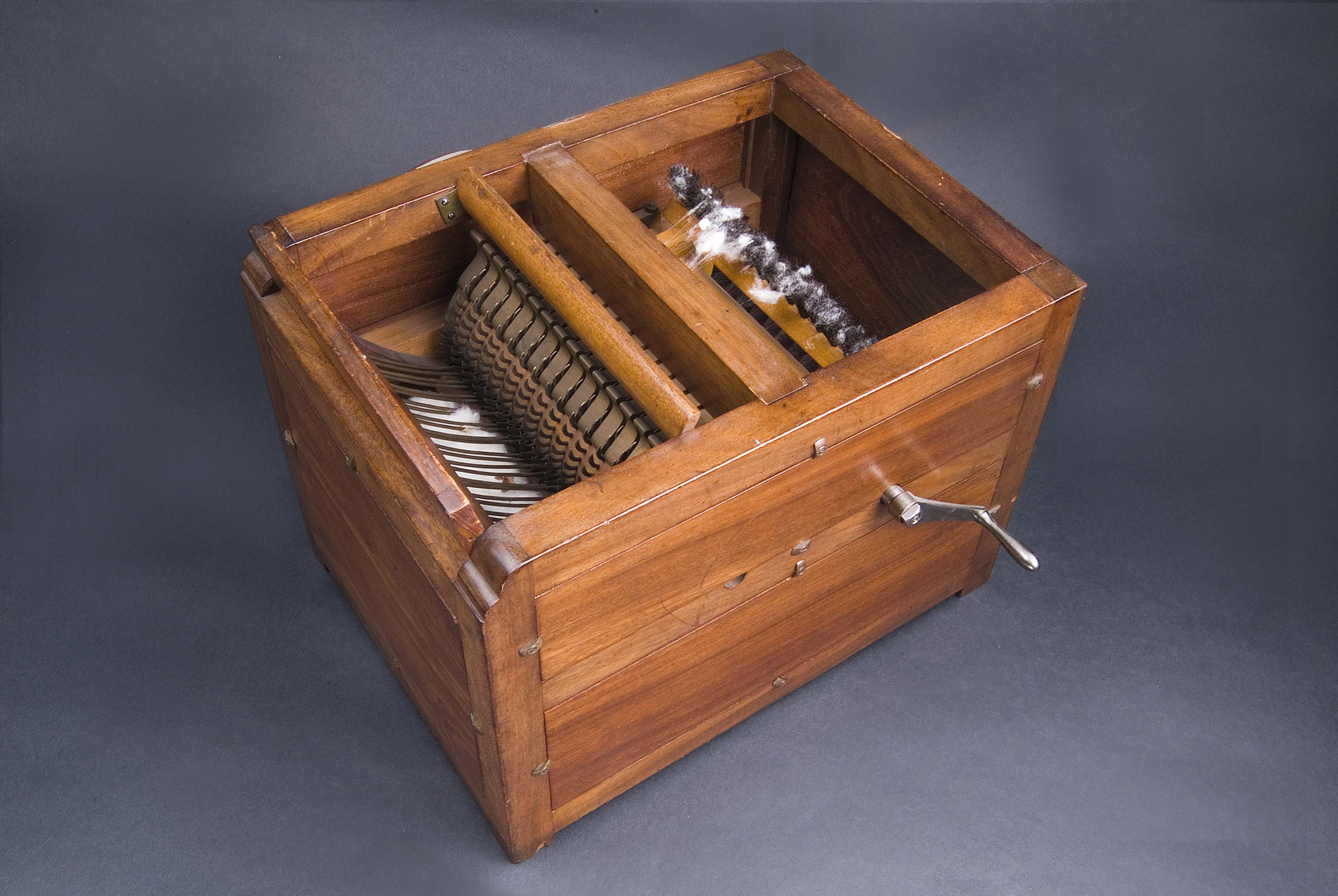
Place the uncleaned cotton into the machine.
Rotating teeth pull the fibers through narrow slots. The seeds are too large to pass through.
A rotating brush sweeps cotton off the teeth, readying it for the next stage of processing.
Cleaning short-staple cotton by machine was many times faster than doing it by hand. The National Archives reports that one gin could produce up to 50 pounds of cleaned cotton in a day.
04 / The impact
U.S. production rose from roughly 3,000 bales in 1790 to roughly 4 million in 1860. Faster processing made short-staple cotton more profitable and encouraged the spread of plantations.
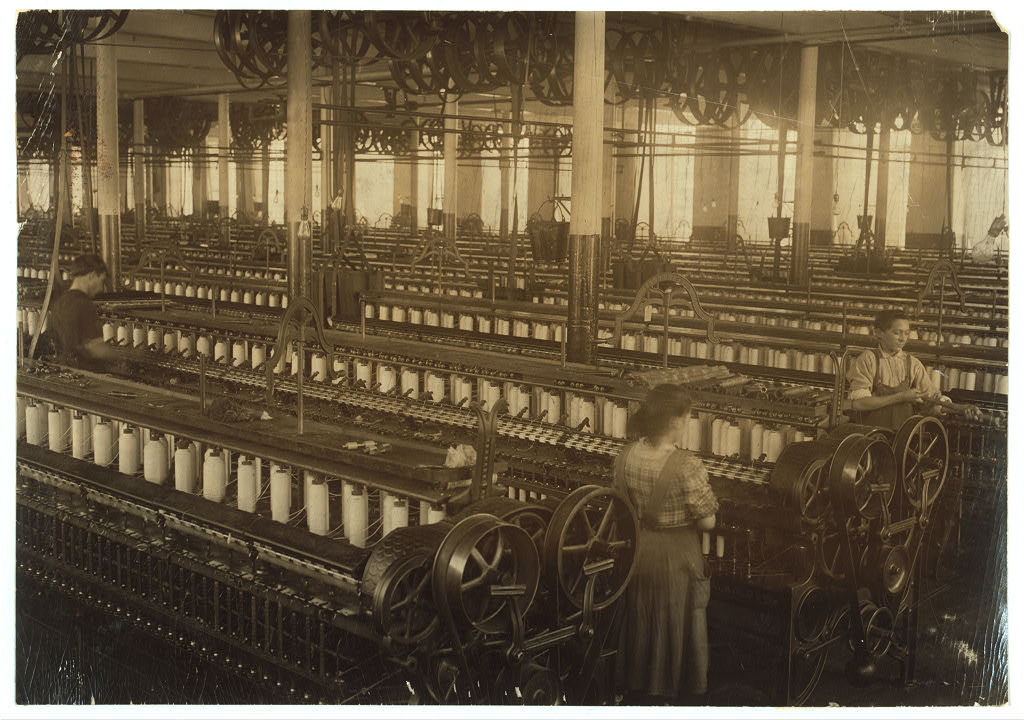
Southern cotton supplied mills in the northeastern United States and Great Britain. The trade linked Southern plantations, Northern factories, and overseas markets.
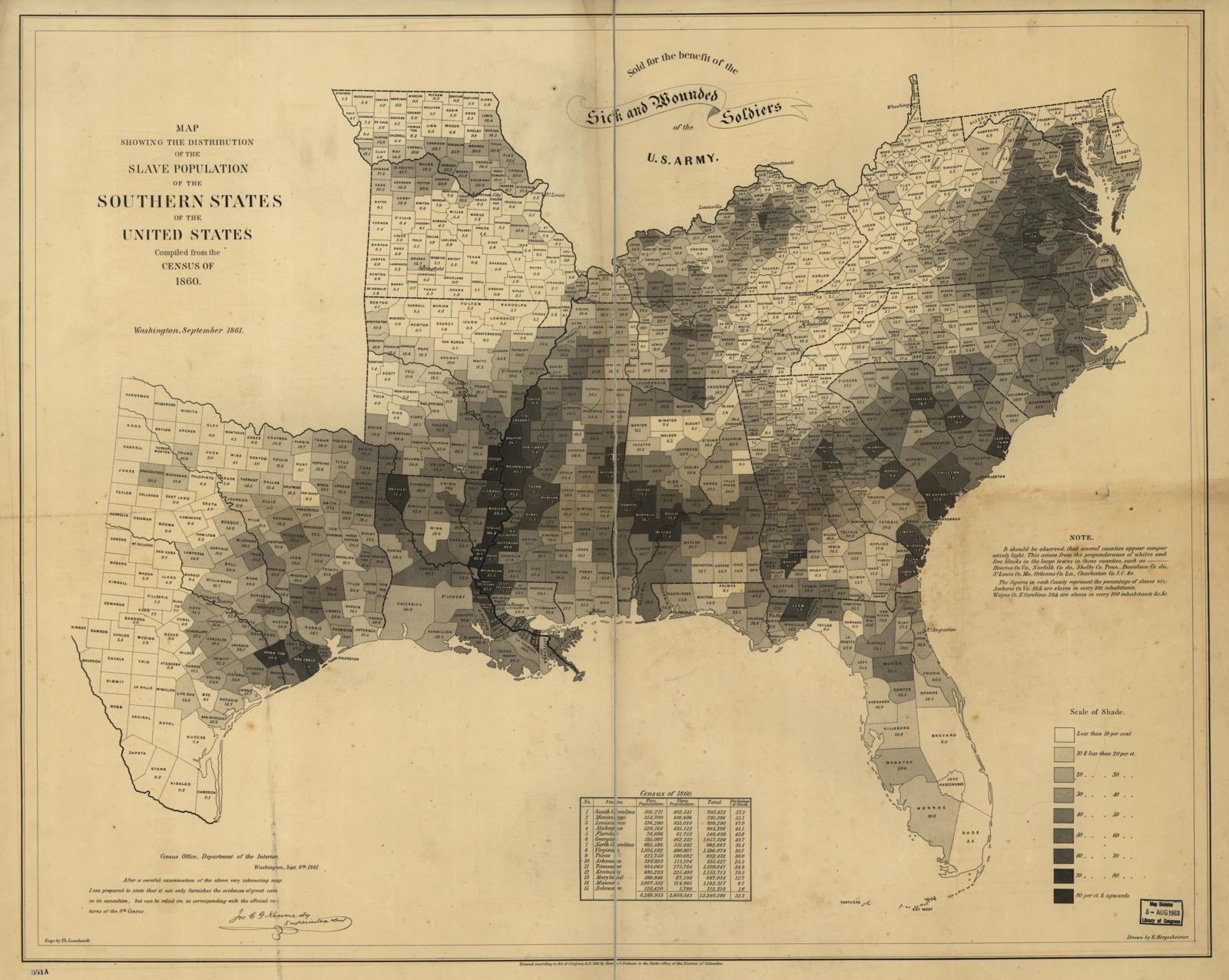
As plantation owners planted more cotton, they demanded more enslaved labor to plant, tend, and harvest it. The expansion of slavery strengthened the plantation economy and deepened sectional tensions.
05 / Looking ahead from 1794
Imagine presenting the newly patented gin to an audience in 1794. What might you expect to happen? These two predictions are written for the exhibit from that historical viewpoint.
“With a faster way to clean cotton, planters may prepare much more for sale. The Southern states could become major suppliers to buyers around the world.”
“With more raw cotton available, manufacturers may build new mills and improve their machinery. Cotton cloth could become more affordable.”
06 / The exhibition verdict
The cotton gin deserves a place in the Great Invention Expo because it shows how changing one step in production can reshape an economy. Faster seed removal helped expand cotton production and supplied textile mills on both sides of the Atlantic. That growth also strengthened a plantation system built on enslaved labor. To understand the cotton gin’s importance, we have to ask who benefited from the invention and who bore the cost.
Research & image credits